Steel Trusses: Strong, Efficient Structural Solutions
Steel trusses are a widely used structural system in modern construction, offering exceptional strength, load-bearing capacity, and design flexibility. Commonly used in commercial, industrial, and large-span buildings, steel trusses Nottingham provide an efficient way to support roofs, floors, and long spans where traditional structural elements may be impractical.
This article explains what steel trusses are, how they are used, and why they remain a preferred choice in construction projects.
What Are Steel Trusses?
A steel truss is a structural framework made from interconnected steel members arranged in triangular units. This configuration allows loads to be evenly distributed across the structure, resulting in high strength with minimal material use.
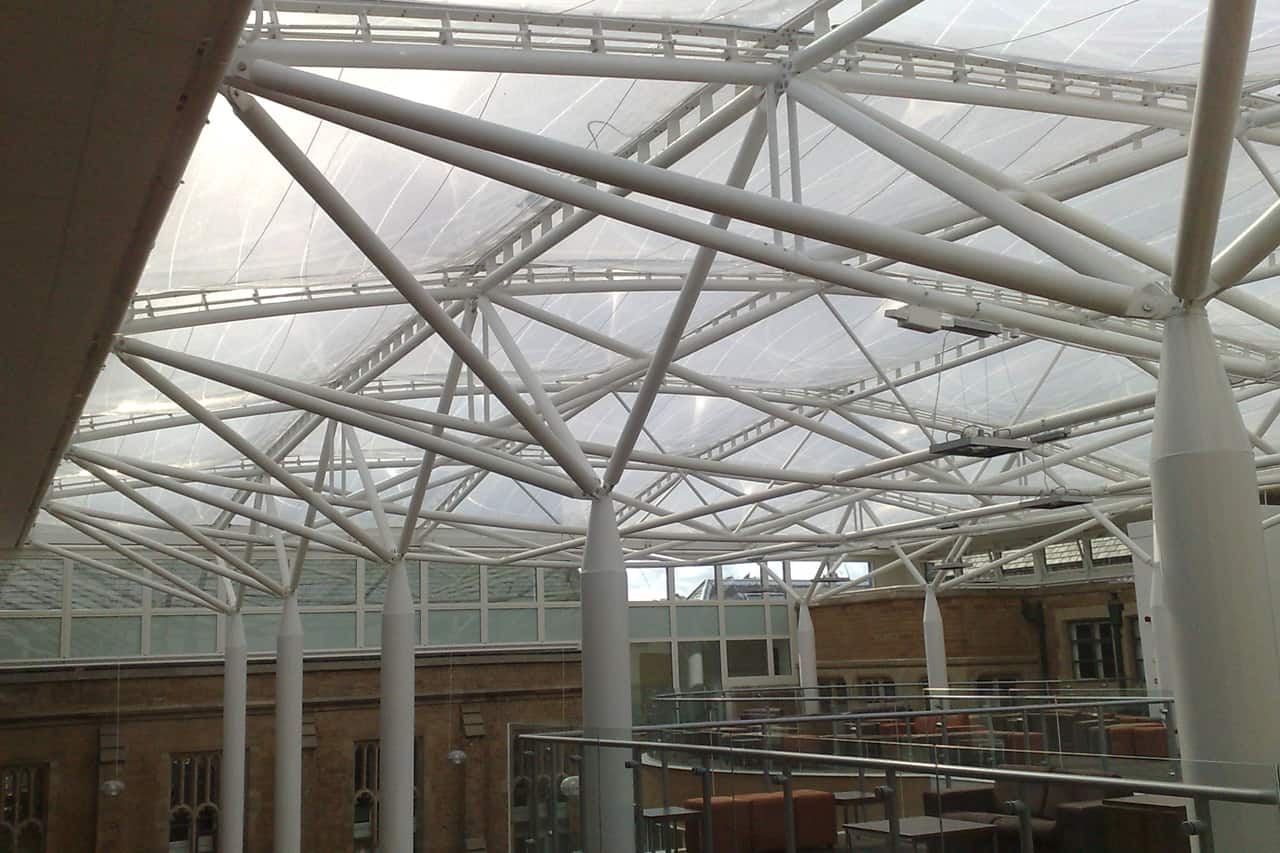
Steel trusses are engineered to handle heavy loads while maintaining structural stability over large spans.
Common Types of Steel Trusses
Different truss designs are used depending on structural requirements and building design.
🔹 Pratt Trusses
Ideal for longer spans, with diagonal members designed to handle tension forces.
🔹 Warren Trusses
Feature evenly spaced triangles and are commonly used for roofs and bridges.
🔹 Howe Trusses
Well suited for shorter spans and heavier loads.
🔹 Fink & Fan Trusses
Frequently used in roof structures for commercial and industrial buildings.
Each truss type is selected based on span length, load requirements, and architectural design.
Applications of Steel Trusses
Steel trusses are used in a wide range of construction projects, including:
- Industrial buildings and warehouses
- Commercial properties and retail units
- Sports halls and leisure centres
- Agricultural buildings
- Roof structures and canopies
- Bridges and infrastructure projects
Their ability to span large areas without internal supports makes them ideal for open-plan spaces.
Benefits of Steel Trusses
Steel trusses offer several advantages over alternative structural systems:
✔ High strength-to-weight ratio
✔ Efficient use of materials
✔ Capability for long, clear spans
✔ Faster installation on site
✔ Durability and resistance to deformation
✔ Fire resistance and structural stability
✔ Fully recyclable and sustainable
These benefits make steel trusses both cost-effective and long-lasting.
Manufacturing and Fabrication
Steel trusses are typically manufactured off-site in controlled environments to ensure precision and quality. The fabrication process includes:
- Engineering design and load calculations
- Cutting and forming steel sections
- Welding and bolted connections
- Protective coatings such as painting or galvanising
- Quality inspection before delivery
Off-site fabrication helps reduce on-site construction time and improves accuracy.
Steel Trusses in Modern Construction
With advances in structural engineering and fabrication technology, steel trusses are now lighter, stronger, and more adaptable than ever. They are commonly integrated into sustainable building designs due to steel’s recyclability and long service life.
Architects and engineers continue to favour steel trusses for projects requiring reliability, efficiency, and architectural flexibility.
Final Thoughts
Steel trusses provide a proven structural solution for buildings that require strength, efficiency, and wide open spans. Their versatility makes them suitable for a wide range of applications, from industrial warehouses to commercial developments and public buildings.
Whether used in roof systems or large-scale structures, steel trusses remain a trusted choice in modern construction.




Post Comment